
Why Post-Restoration Cleaning Is Important for a Healthy Home
If you’ve just been through a flood, sewage backup, or major leak in your Oakville home, there’s a good feeling that comes once the water is gone, the equipment is packed up, and the restoration crew shakes your hand on the way out. It’s easy to assume the job is done.
But here’s what many homeowners don’t realize: water damage restoration and post-restoration cleaning are two very different things. Restoration deals with the structural and mechanical side of drying, repairing, and rebuilding. Post-restoration cleaning deals with everything left behind — the dust, residue, and airborne particles that restoration work stirs up but doesn’t always remove.
Skipping this step doesn’t just leave your home looking a little dusty. It can quietly affect the air your family breathes for weeks or months afterward. For homeowners across Oakville, especially those with kids, pets, or family members with allergies or asthma, this final cleaning stage is just as important as the restoration itself.
Let’s walk through why.
What Is Post-Restoration Cleaning?
Post-restoration cleaning is the detailed cleanup phase that happens after the structural repairs and drying are finished. Think of it as the bridge between “the damage is fixed” and “the home is actually safe and livable again.”
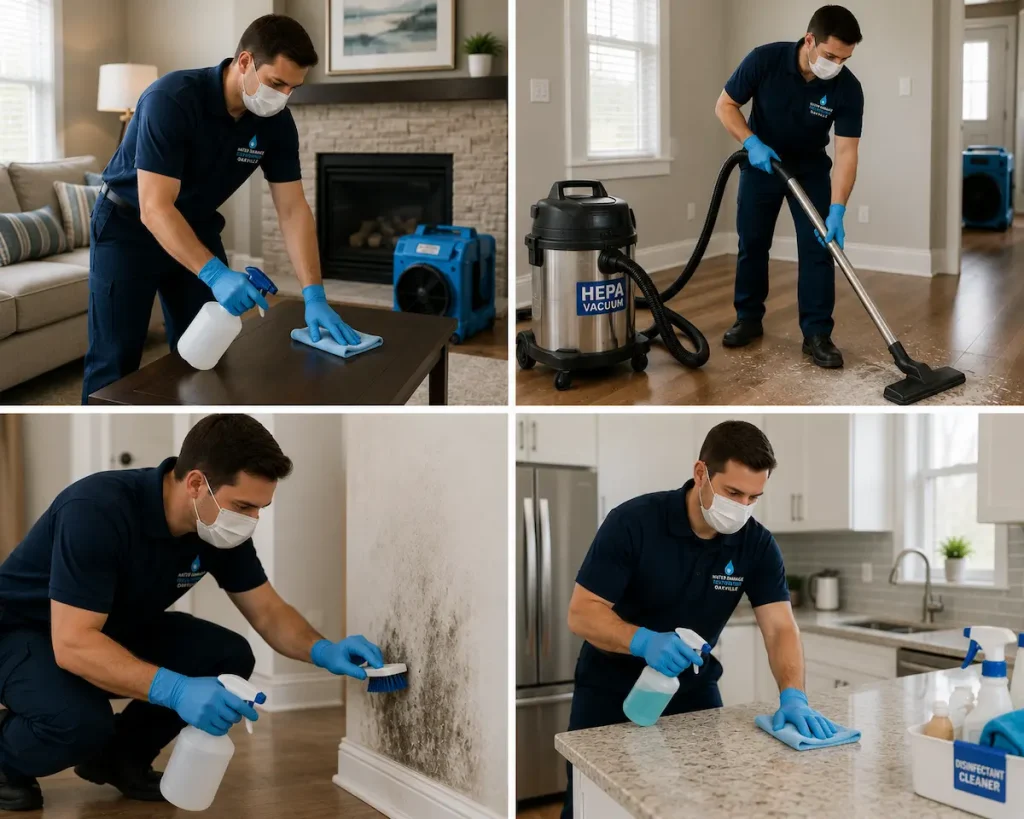
It typically includes:
- Dust removal – Drywall cutting, sanding, and repairs generate fine particles that settle on every surface, including ones you can’t easily see.
- Surface cleaning – Wiping down walls, baseboards, cabinets, and furniture that were exposed during the restoration process.
- Disinfection – Sanitizing areas that came into contact with contaminated water, especially after sewage backups or flooding.
- Odour removal – Neutralizing musty, damp, or sewage-related smells that linger in fabrics, carpets, and HVAC systems.
- Air quality improvement – Addressing airborne particles and allergens that restoration equipment can circulate throughout the home.
- Final detailing – A thorough top-to-bottom clean so the space feels fresh, not just repaired.
None of this is optional if you want a home that’s genuinely clean, not just structurally sound.
Why Your Home Still Needs Cleaning After Restoration
Restoration crews are focused on drying out your home, removing damaged materials, and rebuilding what was lost. That’s a big job on its own, and it doesn’t leave much room for deep cleaning. As a result, several things tend to get left behind.
Fine Construction Dust
Cutting drywall, sanding joints, and removing flooring all release fine dust that travels further than most people expect. It settles on shelves, inside vents, and on top of light fixtures, often in rooms that weren’t even part of the original damage.
Hidden Debris
Small fragments of insulation, drywall, or flooring materials can end up tucked into corners, behind furniture, or under baseboards.
Moisture Residue
Even after professional drying, trace moisture can remain in porous materials like grout, wood, or carpet padding. This residue creates the perfect environment for bacteria and mold if it isn’t addressed.
Bacteria
This is especially true after sewage backups or flooding involving contaminated water. Surfaces that look clean may still carry bacteria that pose a real health risk.
Allergens
Dust, mold spores, and particles disturbed during restoration can trigger allergy symptoms, particularly in homes with young children, older adults, or anyone with respiratory sensitivities.
Lingering Odours
Damp materials and standing water often leave behind smells that soak into fabrics, carpets, and even drywall. These odours don’t disappear on their own; they need to be actively treated.
Health Risks of Skipping Post-Restoration Cleaning
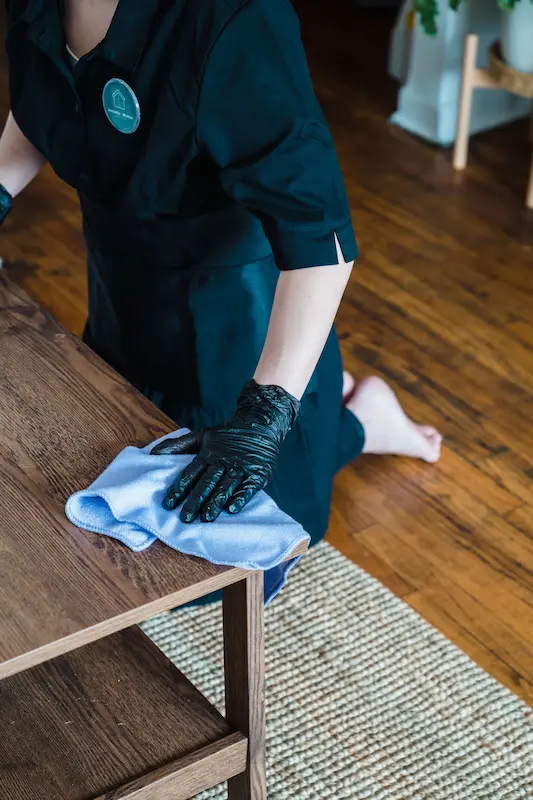
Leaving these issues unaddressed isn’t just a matter of comfort. It can genuinely affect your family’s health.
- Mold spores – Even small amounts of leftover moisture can lead to mold growth within 24 to 48 hours, and spores spread easily through the air. read more….
- Poor indoor air quality – Dust and airborne particles from restoration work can linger in your HVAC system, circulating throughout the home long after the repairs are finished.
- Respiratory irritation – Fine dust and mold spores can cause coughing, throat irritation, and breathing difficulties, especially for people with asthma.
- Allergies – Ongoing exposure to allergens can trigger flare-ups that seem to have no obvious cause, since the source is often invisible.
- Cross-contamination – Bacteria from sewage or floodwater can spread to unaffected areas of the home if surfaces aren’t properly disinfected.
For Oakville homes, where humidity levels can rise during summer months, these risks are worth taking seriously. Moisture that isn’t fully cleaned away has an easier time turning into a bigger mold problem down the line.
Benefits of Professional Post-Restoration Cleaning
Bringing in professionals for this final stage makes a noticeable difference, both for your health and for how your home actually feels.
- A healthier indoor environment – Removing dust, bacteria, and allergens reduces the risk of illness and irritation.
- Better air quality – Thorough cleaning, including HVAC and vent attention, helps prevent particles from recirculating through your home.
- Odour removal – Professional-grade treatments address smells at the source instead of just masking them.
- Cleaner surfaces – Every surface, from countertops to baseboards, gets properly sanitized rather than just wiped.
- Peace of mind – Knowing your home has been thoroughly cleaned, not just repaired, makes it easier to feel settled again.
- Better appearance – A deep clean brings your home back to a fresh, move-in-ready state rather than one that merely looks “fixed.”
Water Damage Restoration vs. Post-Restoration Cleaning
These two services often get lumped together, but they serve different purposes. Here’s how they compare:
| Aspect | Water Damage Restoration | Post-Restoration Cleaning |
|---|---|---|
| Main goal | Repair structural damage and dry the property | Remove dust, residue, and contaminants left behind |
| Focus | Walls, flooring, structural drying, repairs | Surfaces, air quality, disinfection, odour control |
| Equipment used | Dehumidifiers, air movers, moisture meters | Sanitizers, HEPA vacuums, deep-cleaning tools |
| Health impact | Prevents further structural damage | Prevents illness, allergies, and mold growth |
| Timing | Happens first, immediately after damage occurs | Happens after restoration work is complete |
| Outcome | A structurally sound home | A clean, healthy, livable home |
Both steps matter. Skipping either one leaves the job only half finished.
Tips for Keeping Your Home Clean After Restoration
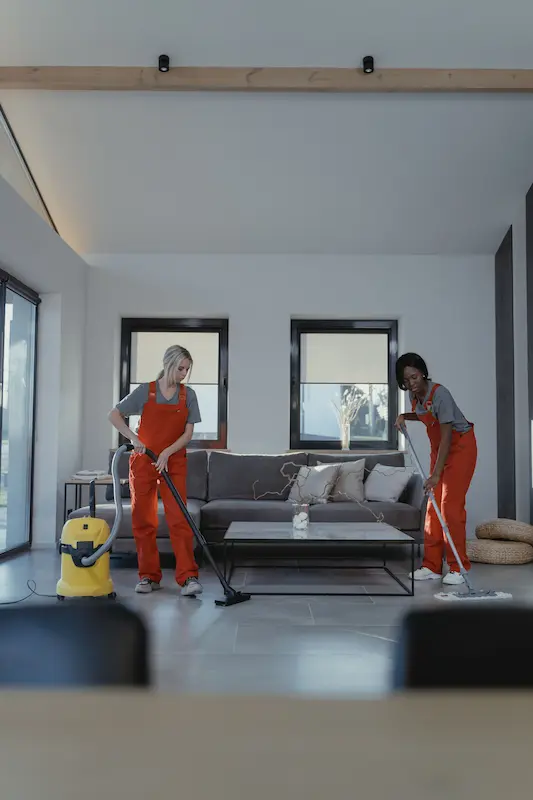
Once the professional cleaning is done, a few simple habits can help you maintain a healthier space going forward.
- Change HVAC filters regularly to catch any remaining dust particles circulating through your system.
- Run a dehumidifier in areas that were previously affected by moisture, especially basements.
- Wipe down surfaces weekly for the first month or two, since dust can continue to settle even after cleaning.
- Check for musty smells periodically, particularly in closets, under sinks, and near baseboards.
- Inspect previously damaged areas every few weeks for early signs of mold or moisture return.
- Keep humidity levels below 50% using a hygrometer to monitor indoor conditions.
- Vacuum with a HEPA filter vacuum to capture fine particles that regular vacuums may miss.
- Air out the home when weather permits to help clear any lingering odours.
- Wash fabrics and soft furnishings that were in the affected area, including curtains and cushions.
- Schedule a follow-up inspection if you notice any unusual smells or discoloration in the weeks after restoration.
When Should You Hire Professional Cleaners?
Not every situation calls for professional cleaning, but there are clear signs it’s worth the investment.
You should consider hiring professionals if:
- The damage involved sewage backup or contaminated water.
- Mold was present, or conditions were right for mold growth.
- Someone in your household has asthma, allergies, or a compromised immune system.
- You’re noticing lingering odours that don’t go away with regular cleaning.
- The affected area is large, such as an entire basement or main floor.
- You simply don’t have the time or equipment to do a thorough deep clean yourself.
Once the restoration work is complete, a thorough deep cleaning helps remove fine dust, disinfect surfaces, and improve indoor air quality. If you also need professional home cleaning services after restoration, consider Clenza Home Cleaning for reliable residential cleaning solutions that help leave your home fresh, sanitized, and ready to live in.
Professional cleaners have access to industrial-grade equipment and cleaning agents that go well beyond what’s available at a typical hardware store, which makes a real difference when contamination or mold is involved.
Conclusion
Water damage restoration gets your home back to a safe, structurally sound state. But without proper post-restoration cleaning, hidden dust, bacteria, and allergens can stick around long after the repairs are done, quietly affecting your family’s health.
If your Oakville home has recently gone through water damage, flooding, or a sewage backup, don’t stop at restoration. Take the extra step to have your home professionally cleaned, sanitized, and freshened up. Your family’s health is worth it.
Ready to finish the job properly? Contact our team today to schedule professional post-restoration cleaning for your Oakville home, and breathe easy knowing your space is truly clean, not just repaired.
https://shorturl.fm/VfzwO